Why mod your phone?
Modern phone sensors are surprisingly capable, but smartphone optics hit a hard wall against physics: you simply cannot fit a wide-aperture, multi-element prime lens inside a 9mm glass slab without bending the laws of optics. Phone manufacturers try to compensate for a small lens by software hacks: that is why you can always distinguish phone look photos by a fake AI bokeh blurring too much hair on a portrait, or aggressive over-sharpening adding ugly shine to fine details.
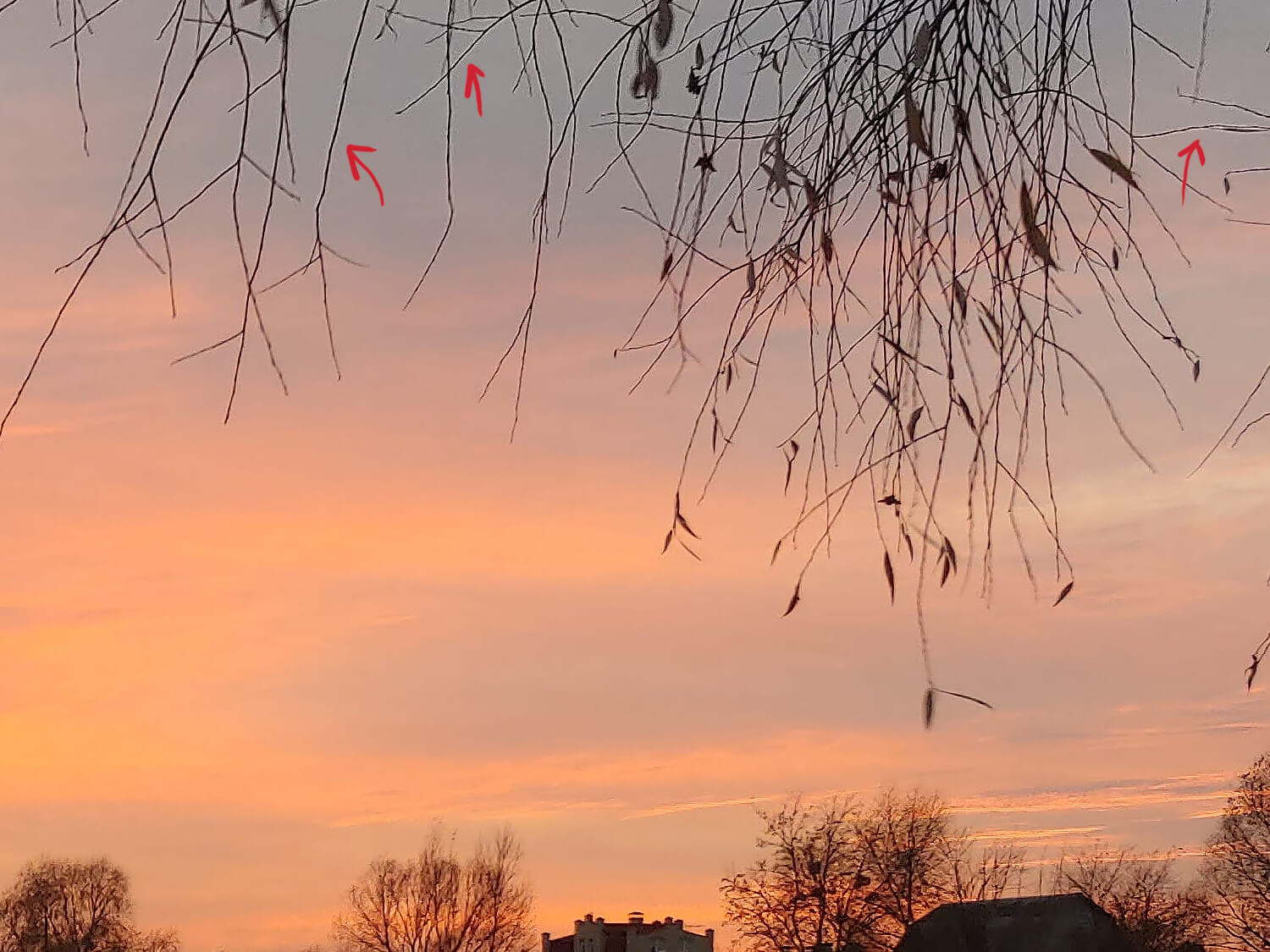

Another issue is that you are always stuck at the focal length and aperture of the built-in modules. Usually with no good middle-points between too wide 25mm main lens, and too weak telephoto sensors. Some creative phone owners try to find the least distortion-inducing attachable lenses, but they just provide another fixed point without really solving the low versatility issue.
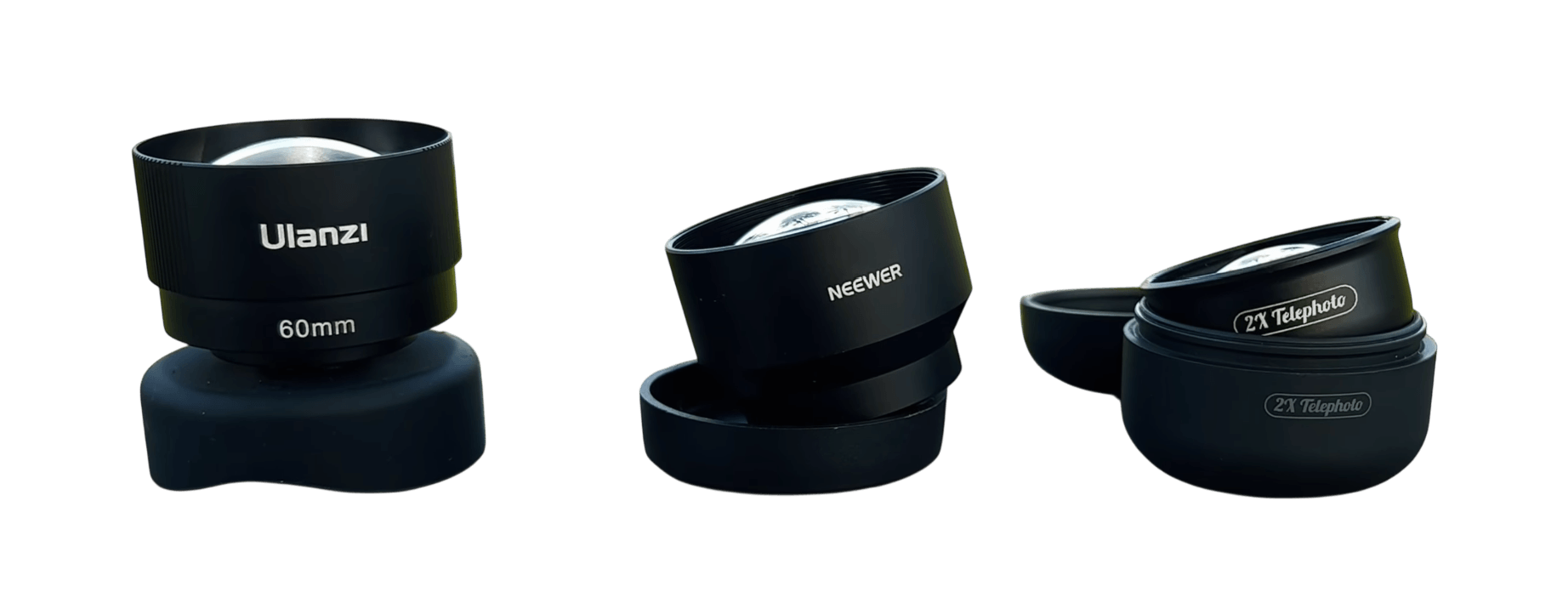
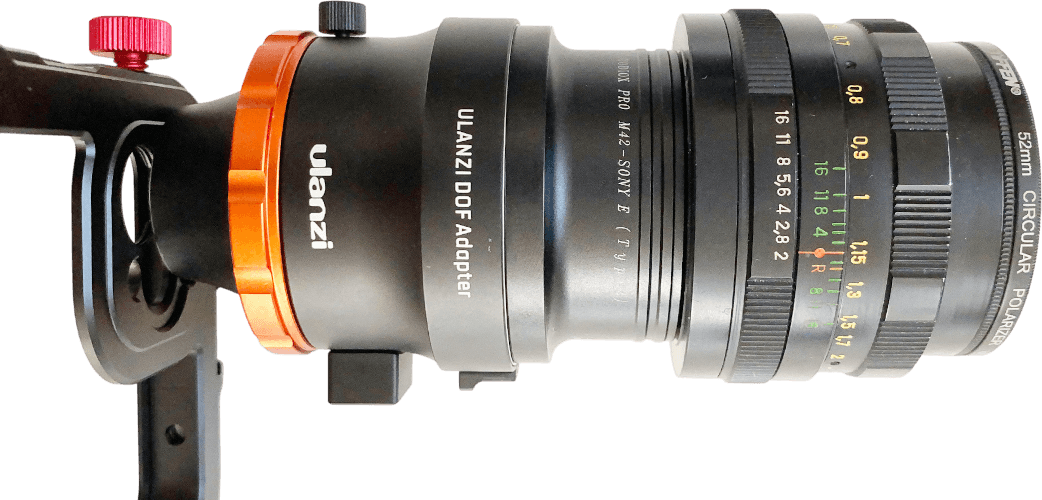
Others force their phone macro camera into recording a glass screen inside a DOF-adapter, still limited in light sensitivity by the tiny built-in lens aperture. And if they ever need to use adapters (let’s say for M42 vintage lenses) - it feels like carrying a three-pound rig reminiscent of a shoulder-mounted bazooka.
Why big brands hesitate (and why DIY is the path)
Exposing a sensor to attach interchangeable glass isn’t just a DIY daydream: major manufacturers know the demand exists. Xiaomi built prototypes of their 12S Ultra Concept with a Leica M-mount over a 1-inch sensor, and Realme showed off their own Realme Ultra M-mount concept.
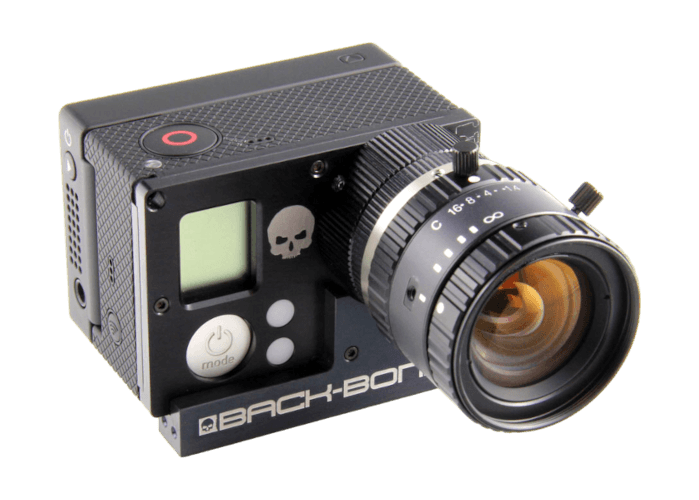
Why haven’t they reached mass production yet? We don’t know! But we have seen this exact cycle before. Years ago, a Canadian company called Back-Bone gained a cult following by selling mod kits and pre-modded GoPros called the Ribcage. They stripped off the fixed GoPro lens and added C-mount threads for interchangeable glass, long before mainstream action camera brands ever considered modular setups.
So removing the stock glass entirely and mounting compact optics directly over the bare sensor were always the only clean way to get true optical depth of field and versatility of interchangeable lenses. But any DIY comes with its own pros and cons:
| Solution | Built-in lens | Clip-on attachable lens | DOF-adapter | Xiaomi / Realme Concepts | DIY C-Mount mod |
|---|---|---|---|---|---|
| Versatility | Low | Basic zoom change | High (Full-Frame lenses) | High (Leica M-mount + few adapters) | High (C-Mount + multiple adapters) |
| Usability & Effort | Effortless (pocketable point-and-shoot) | Easy (clips over camera) | Lower portability | Seamless | Medium |
| Price | Included | $20 – $150 | $150 – $300+ | Not for sale (Prototypes) | ~$20-80 depending on available tools in your garage |
| Correction | Built-in correction | Some post-processing may be needed | Built-in correction | Unknown | Often requires LSC tuning by patch or in-app |
| Low-light sensitivity | Default | Worse than default | Worse than default | Much better with fast lens | Much better with fast lens |
| Aperture & Bokeh Control | Synthetic / Software blur | None, and optical defects increase | True optical bokeh (softened just a bit) | True optical aperture & bokeh | True optical aperture & bokeh |
| Contrast, sharpness | Default | Worse than default | Has a small sharpness penalty, but can be better than default, depends on the lens | Can be much better, depends on the lens | Can be much better, depends on the lens |
| Autofocus | Fast & reliable | Works (sometimes can get into focusing loop) | Manual focus only | Manual / Peaking | Manual focus (for now, but motorized focus is in development) |
| Warranty | Intact | Intact | Intact | Intact | Voided |
So how to do it?
If you are ready to open up a phone, remove the stock optical block, and shim the mount to get a perfect infinity focus, check out our step-by-step tutorial:
Detailed step-by-step tutorial: modding the phone & adjusting flange focal distance
You can check out Projects for examples of different modded phone models (don’t forget to say hi to their owners in Discord). Other creators have also jumped into custom phone sensor mods over the past years, experimenting with 3D-printed chassis parts and custom mounts:
The joy (and a gambling trap) of vintage glass
Nobody spends time modding phone and then shimming lens mount rings only to improve quick point-and-shoots. The main appeal of this mod is the experience of shooting vintage glass with actual personality: something computational photography still struggles to emulate.
Swapping algorithmic defaults for machined aluminum texture, manual aperture ring clicks, and the exact optics you choose - it changes more than the look of a photo. That’s one of the reasons why film cameras remain popular with photographers even when modern cameras are faster and more convenient: the process feels physical, deliberate, and personal. You are not simply pressing a button and accepting a polished result chosen by software. First you’ve built a hardware mod yourself, and now you are building the image.
Once a C-mount is in place, the phone stops being limited to ordinary handheld photography. Long focal-length and adapted optics make astrophotography more practical to explore, extension systems and enough adjustment rings can open the door to extreme macro and micro-photography, and don’t forget about breathtaking anamorphic setups! The same small sensor that once sat behind fixed phone optics becomes a platform for experimenting with almost any kind of image-making you can adapt to it.

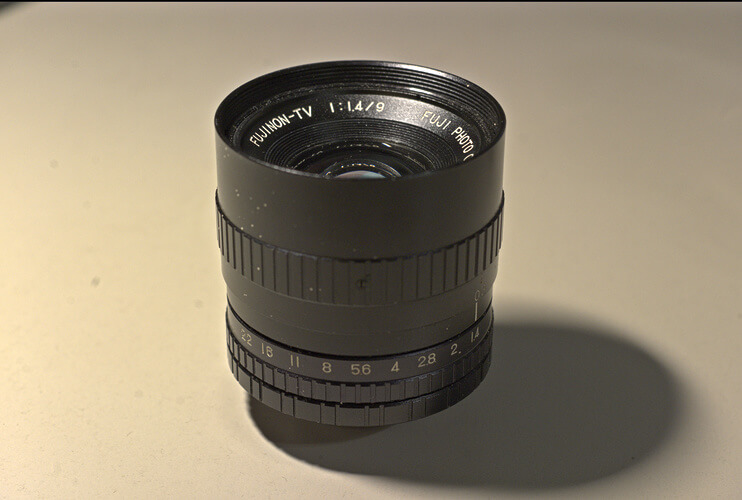
In the initial video, I showed a simple 4-lens starter kit. Consider that a warning: the real hidden cost of this mod is a sudden, uncontrollable urge to browse eBay at 2 AM for obscure cinema glass. My collection quickly ballooned to 20 lenses because every type of lens can give the same sensor a different visual character. A fast cine prime, a compact CCTV lens, old photographic glass, precise machine-vision optics, or adapted specialty lenses can each push the image toward something cleaner, softer, stranger, or more cinematic.
The modding ecosystem: app, tools & community
What started as an isolated hardware experiment has turned into a broader project. Here is what was built to make shooting with a modded phone actually practical:
1. LSC Patch Generator
I reverse-engineered Lens Shading Correction (LSC) system files and made a tool to update correction gainmaps tuned for the built-in lens which were causing the purple tint shading. It requires root, but works globally with any camera app.
2. Custom Android Camera App
If you don’t like the idea of rooting your device here’s the alternative. The camera app is tailored specifically for modded phones. It adds the ability to disable default software processing filters to get a neutral look, provides custom LSC profiles management, adjustable manual shooting assistant overlays, raw shutter controls, adjustable MFNR, a real camera-like UI which recreates a real camera shooting feel, and much more.
3. Interactive Lens Selector Tool
Matching C-mount lenses to your particular sensor size and the exact FOV you expect can be tricky due to varying image circles and crop factors. This tool helps you understand how a certain lens would look at your particular modded sensor.
4. Modding Community
You are not the only one taking a heat gun to your phone. Builders around the world are sharing their experience and sample footage. Join the Discord to get help during modding process, and share your project and photos with the world.
What’s on the workbench
- Motorized focus control. I’m testing a compact micro-stepper motor ring to bring push-button and continuous autofocus back to external glass.
- Camera app improvements. Adding new functionality, introducing features for better camera control.
- More content. After spending so much time hacking the system files and developing the software, I hope to finally get back to producing more video tutorials and image quality comparisons.
My goal is not to turn every phone into a traditional camera, or to pretend that manual shooting is always the convenient option. It is to make the phone a more open tool: one that rewards curiosity, invites experimentation, and lets the final image feel genuinely yours.